
Cantabridge Technologies provides coding and software development for IoT products, including firmware, dashboards, and mobile apps. Product manufacturing is currently unavailable. If you need IoT products, we can also provide them based on your requirements.
Discuss Your IoT RequirementsOur Perspective
Bring Your Equipment into View
When equipment is spread across rooms, buildings, or remote sites, checking each installation takes time. A change in temperature, a disconnected device, or an unexpected operating state can be difficult to spot through periodic checks alone.
We start with what your team needs to know and what it should be able to do. That defines the readings to collect, the alerts to send, and the controls to make available—along with the connectivity and hardware the installation requires.
What We Deliver
Connect the Device, the Data, and the People Using It
We write microcontroller firmware and custom IoT project code, integrate sensors and modules, and build the backend, dashboard, or mobile app that connects everything. Our service focuses on coding and software development; we do not currently manufacture IoT products. If you need products for your project, we can also provide them based on your requirements.
Microcontroller Programming
Write firmware to read sensors, process inputs, control supported outputs, and communicate with other devices or applications.
Custom IoT Project Development
Develop project code, connect hardware modules, and test the complete workflow from device input to application output.
Firmware Testing & Troubleshooting
Investigate code issues, test device behavior, and refine communication, timing, and recovery logic.
IoT Solution Planning
Map the devices, required readings, control functions, and connectivity needed for the installation.
Device & Sensor Integration
Assess compatible hardware and connect the signals or interfaces needed by your application.
Device Communication
Implement MQTT or other suitable interfaces for readings, status updates, and supported commands.
IoT Backend Development
Build services for device registration, incoming data, command handling, and access permissions.
Dashboards & Mobile Access
Give users a view of device status, readings, and available controls through web or mobile applications.
Monitoring & Alerts
Define thresholds, device-health checks, and notifications that help teams identify what needs attention.
Remote Control & Automation
Implement permitted actions, schedules, and rules for compatible equipment, with defined operating limits.
Business System Integration
Connect device events and records to existing applications, reports, and maintenance workflows.
Custom IoT Projects We Can Develop
We can build a new project or work on an existing device program. The scope can include firmware, module integration, application development, testing, and source-code handover with documentation as agreed.
RFID Attendance System
Program card reading and user identification, record attendance timestamps, and sync records to a dashboard for attendance reports.
RFID Access-Control System
Connect a reader to an authorization workflow, manage registered cards, and record access events for compatible installations.
Smart Water-Level Monitoring
Read tank-level sensors, display current levels, and send configured alerts; add compatible pump-control logic where required.
Environmental Monitoring
Collect temperature, humidity, or other selected sensor readings and display trends and threshold alerts.
Device Timers & Remote Control
Write scheduling and control logic for compatible lights, fans, pumps, or other equipment, with web or mobile access where required.
Smart Irrigation
Combine sensor readings, schedules, and supported valve or pump controls into a configurable irrigation workflow.
Connected Data Logger
Record sensor values locally or send them to a backend for historical reports, with buffering where the hardware supports it.
Custom Sensor & Module Projects
Integrate the readers, displays, communication modules, and sensors needed for your own device concept.
Smart Automation
Smart Automation for Homes, Offices, and Buildings
Control lighting, fans, pumps, and other compatible equipment through connected switches, schedules, and sensor-based automation. We develop device firmware, control logic, and web or mobile applications around your installation.
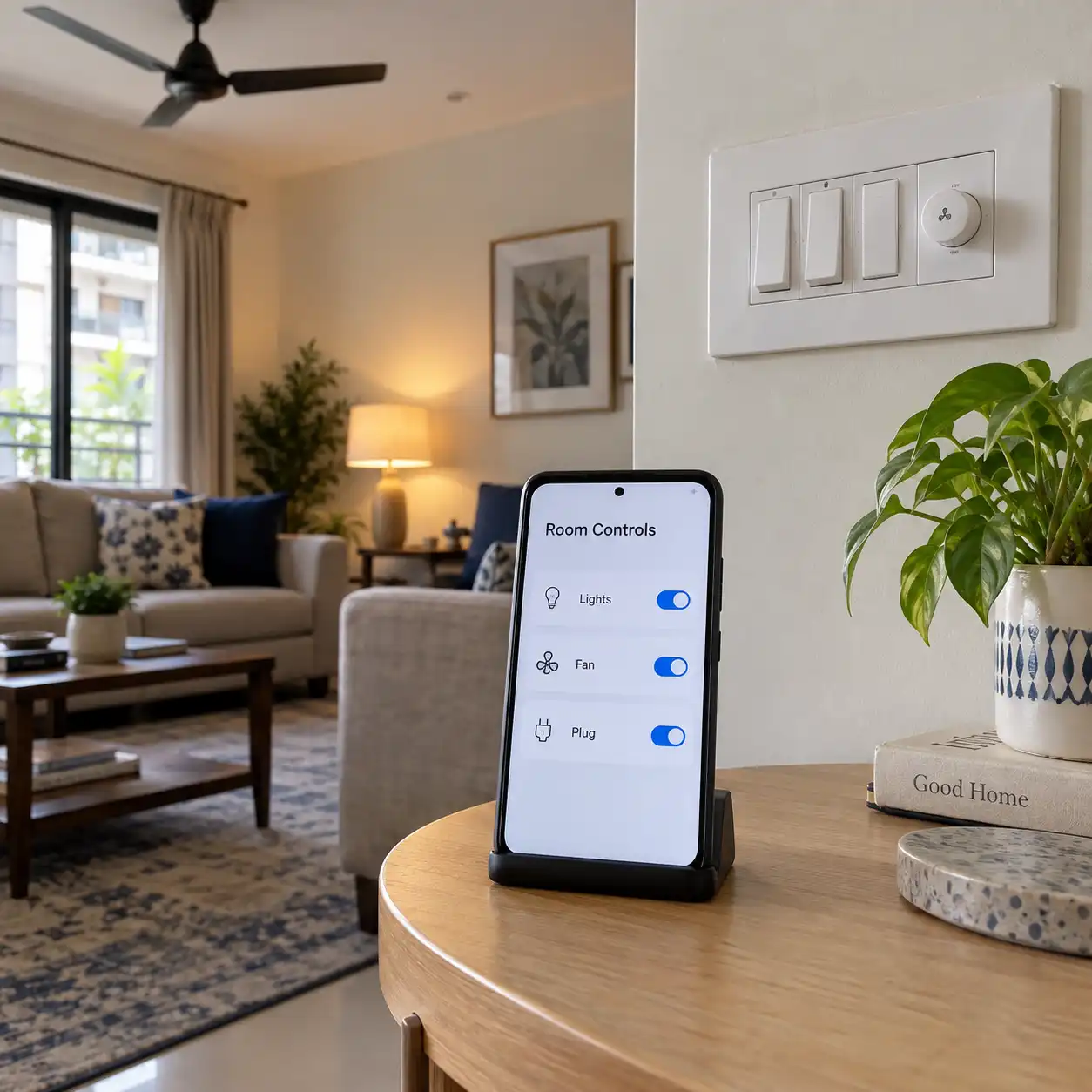 01
01Smart Switches & Remote Control
Turn compatible lights, fans, and connected appliances on or off through a mobile app. Group controls by room or area while retaining local switching where supported.
Useful for: Homes, offices, and commercial spaces.
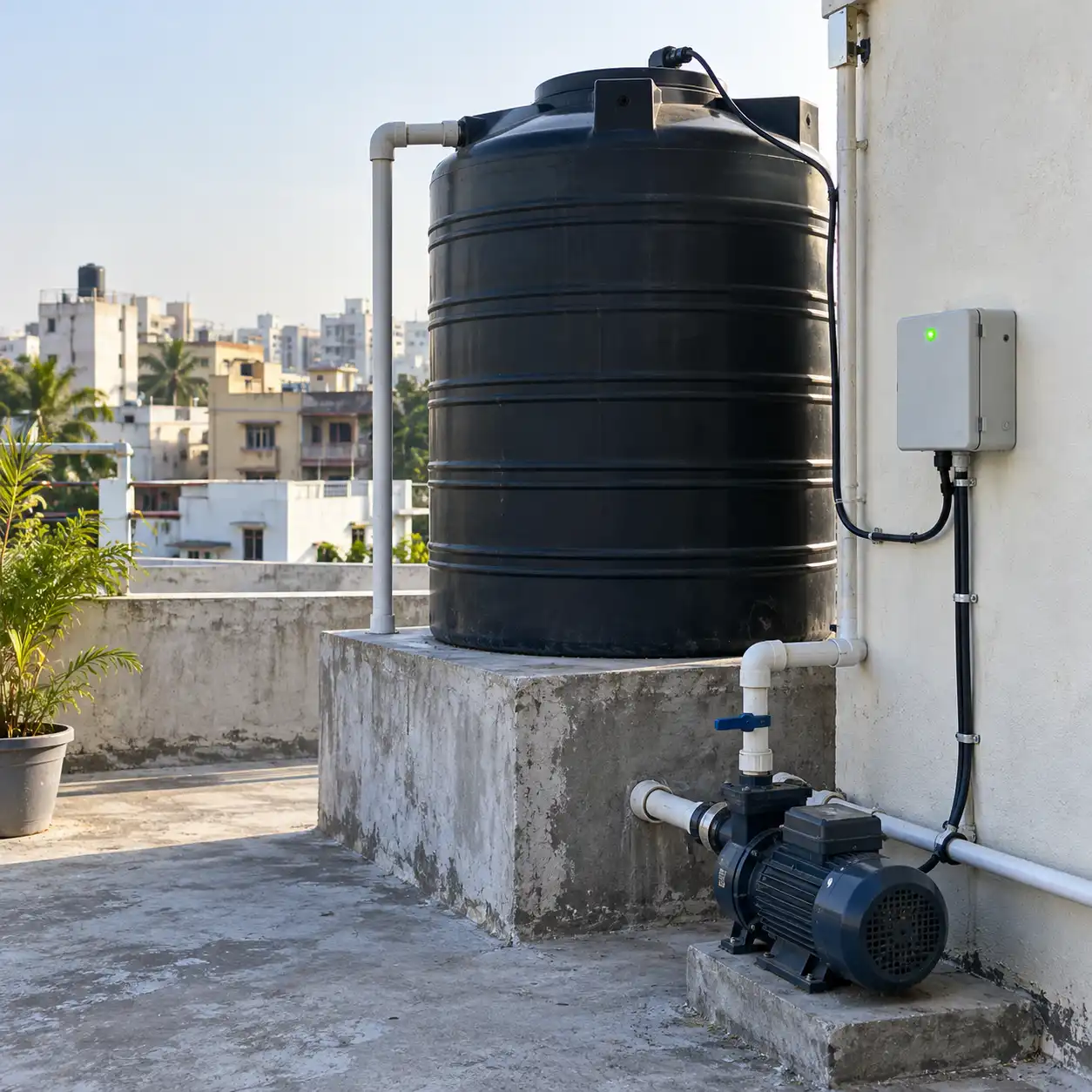 02
02Automatic Water Pump Control
Start or stop a water pump based on tank levels, configured schedules, or an authorized manual command. Include suitable level sensors and protection controls for the installation.
Useful for: Houses, apartment buildings, and office water tanks.
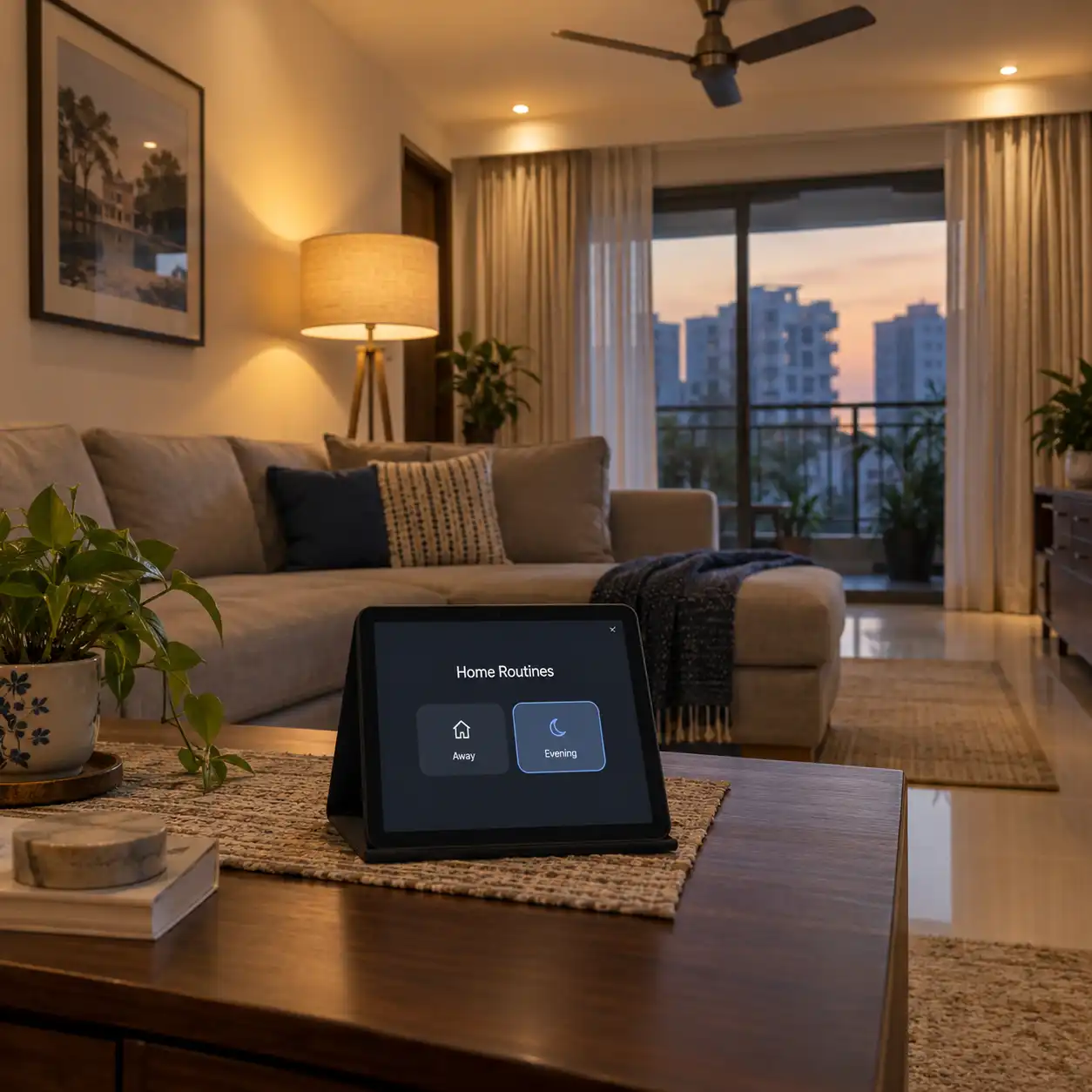 03
03Home Automation
Bring everyday controls into one application. Set up routines to switch selected lights, fans, and appliances together—for example, when leaving home or preparing for the evening.
Useful for: Houses, apartments, and residential properties.
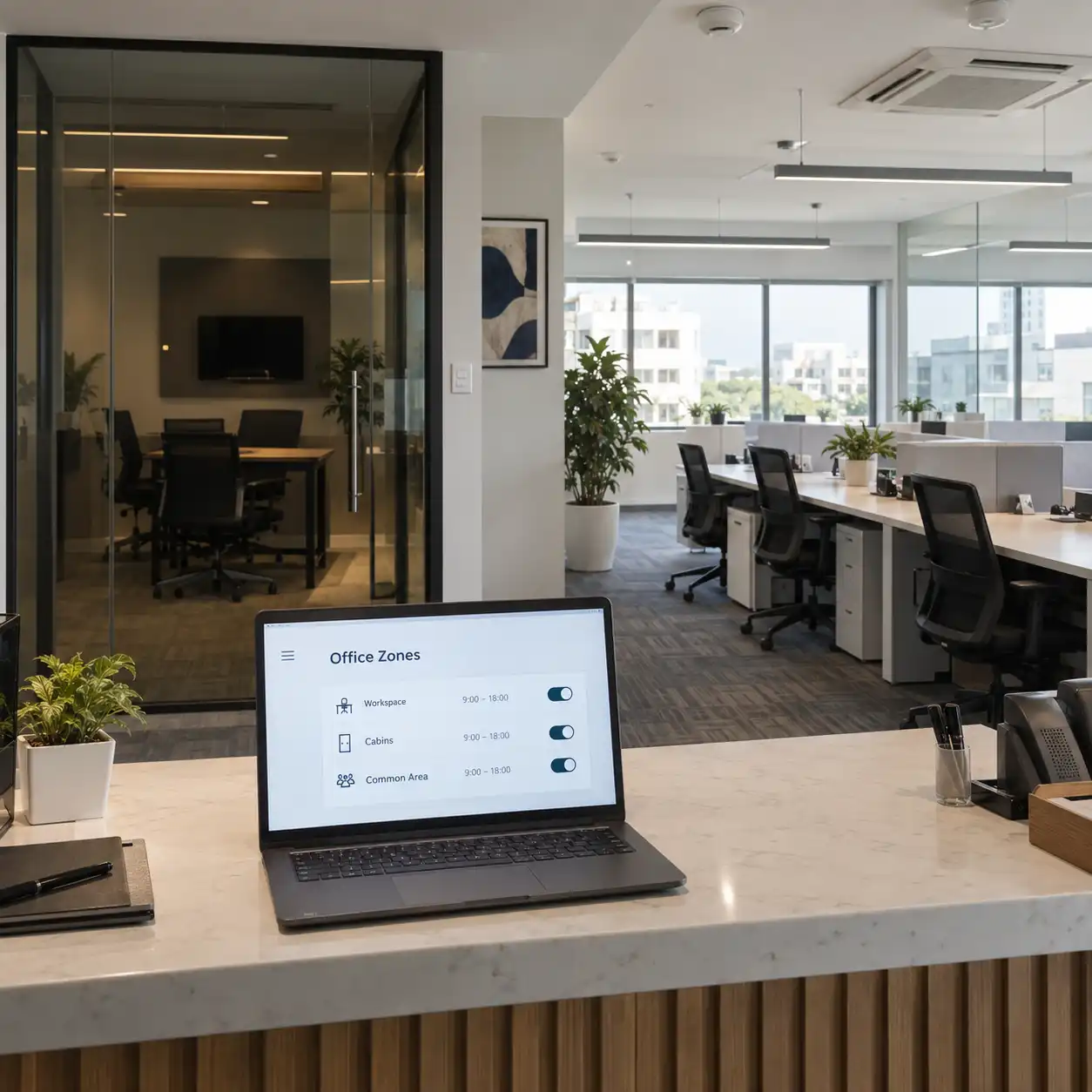 04
04Office Automation
Schedule selected lighting and equipment around office hours. Create separate controls for workspaces, cabins, and common areas so each zone can follow its own operating routine.
Useful for: Offices, coworking spaces, and business centres.
 05
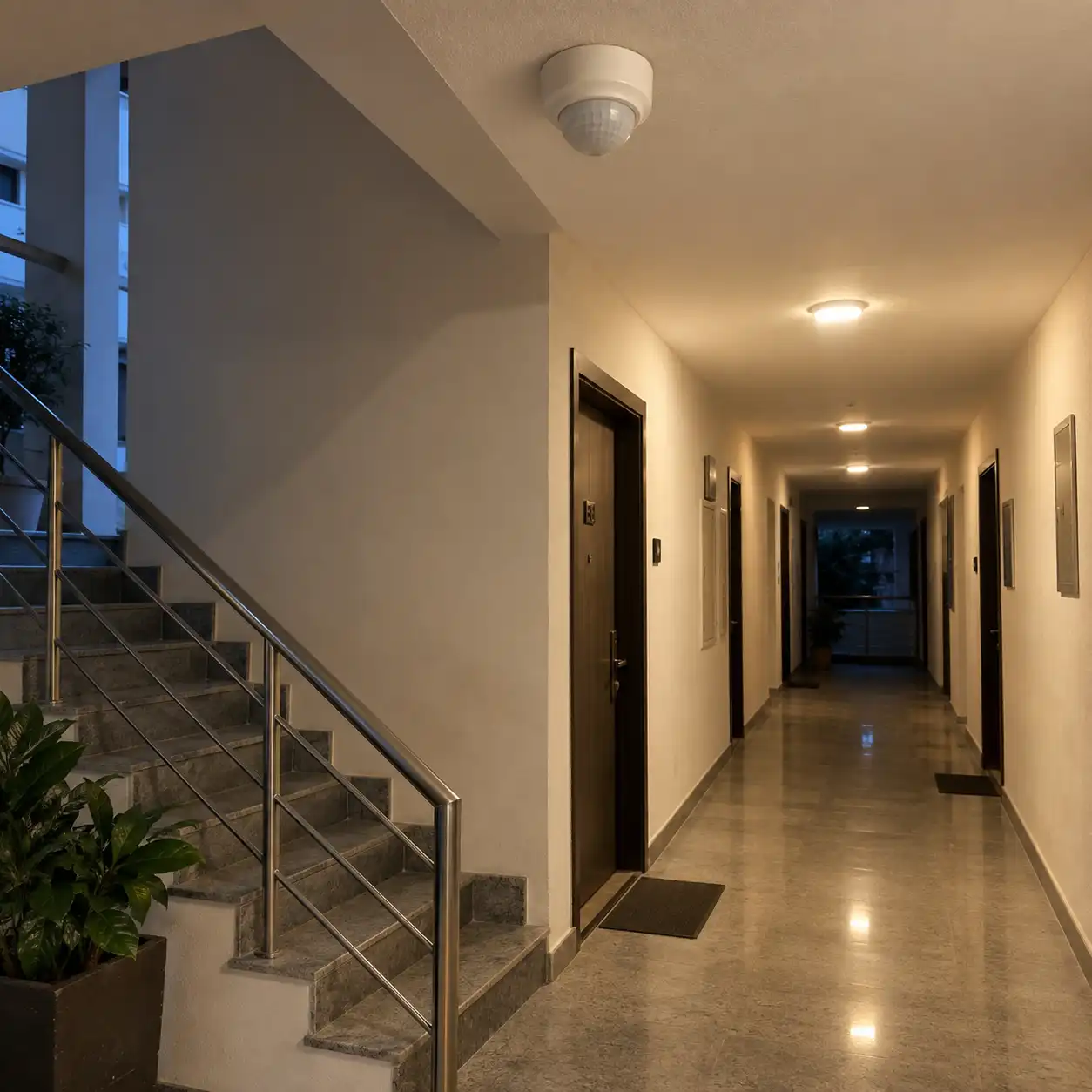
05Motion-Based Lighting
Switch lights on when movement is detected and off after a configured period without activity. Adjust timing and sensor placement to suit how people use the space.
Useful for: Corridors, staircases, washrooms, parking areas, and storerooms.
 06
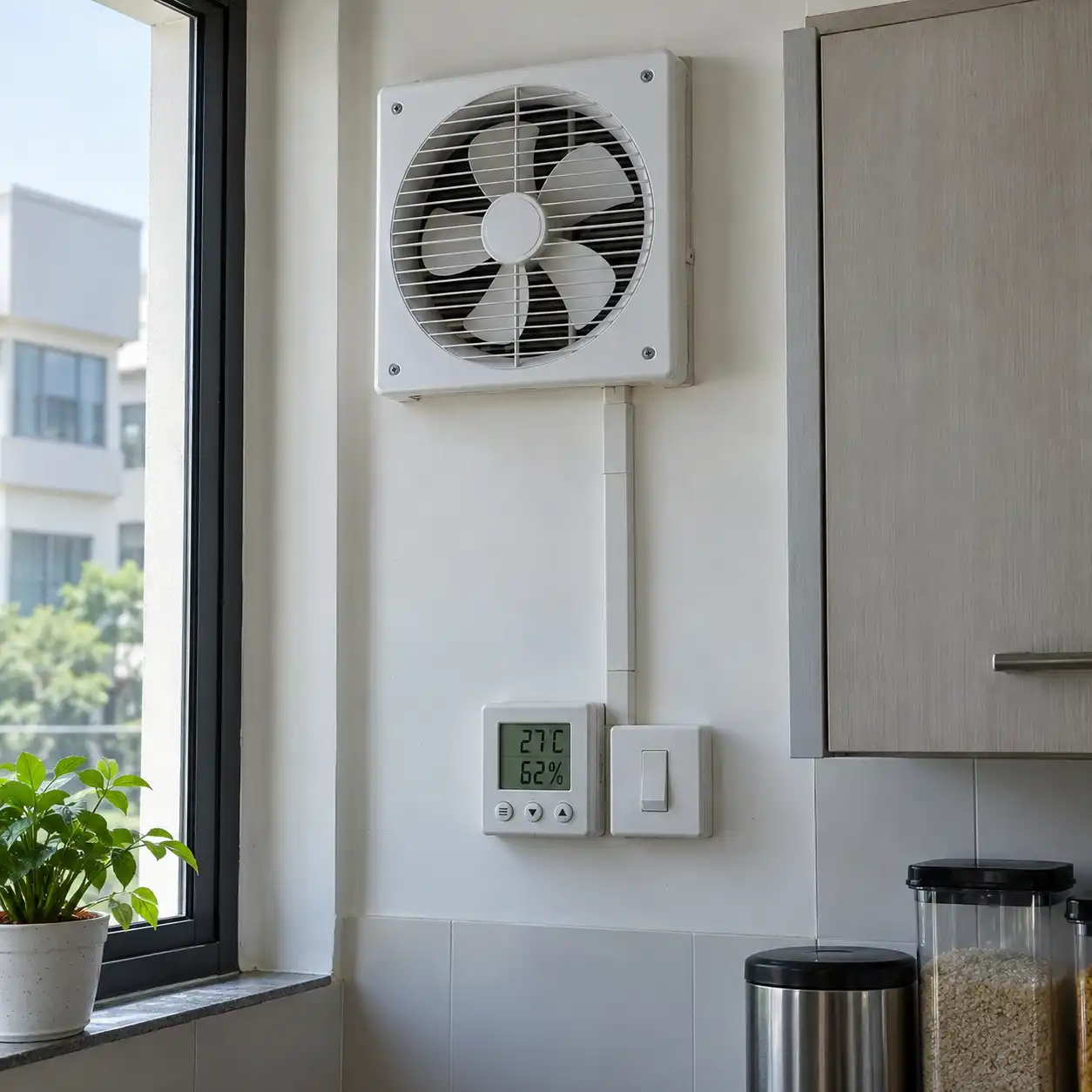
06Automatic Fan & Ventilation Control
Operate compatible fans or exhaust systems using temperature, humidity, occupancy, or schedules. Define switching thresholds and provide manual controls for authorized users.
Useful for: Meeting rooms, utility areas, offices, and residential spaces.
 07
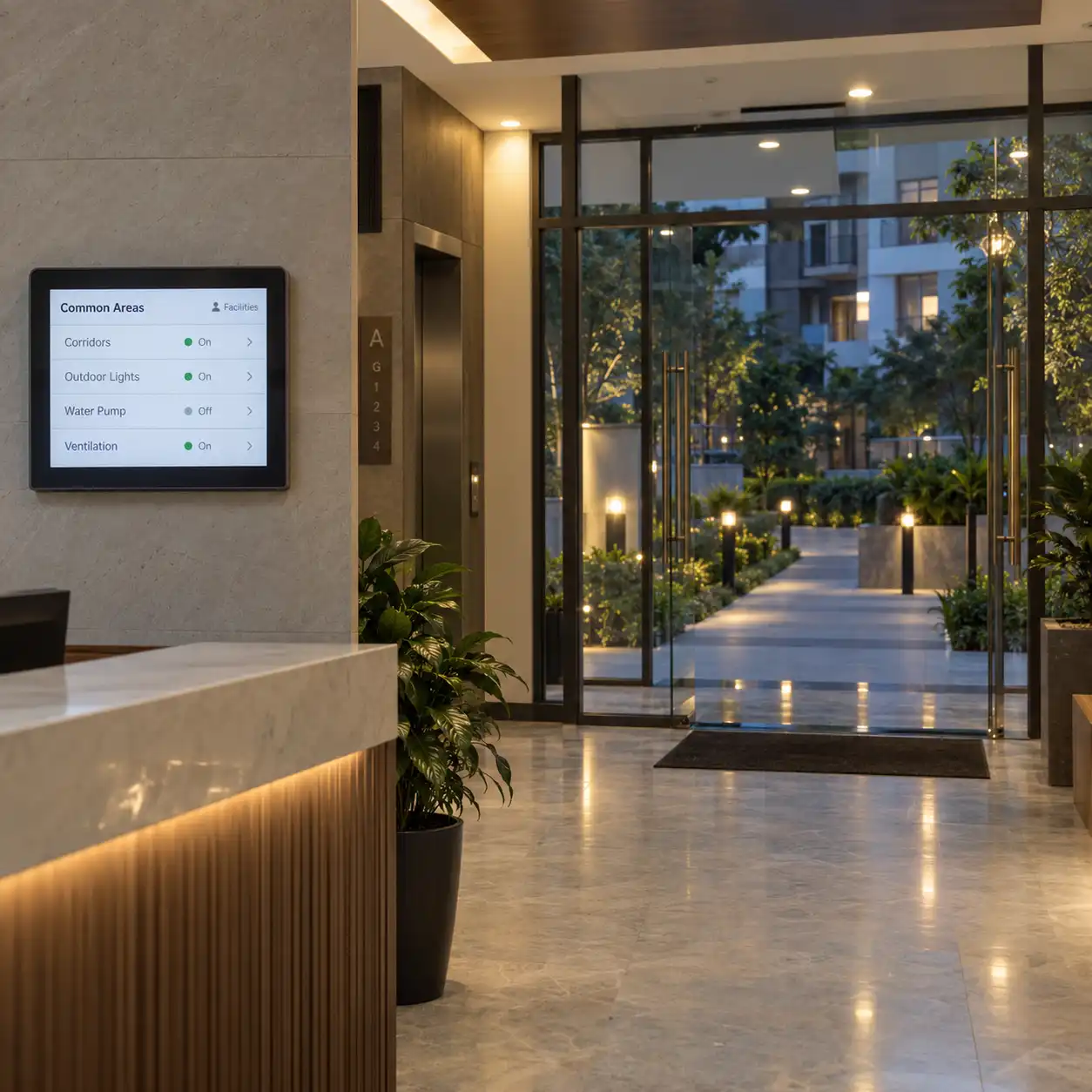
07Building & Common-Area Automation
Coordinate selected corridor lights, outdoor lighting, water pumps, and ventilation equipment through a shared control interface. Assign access by responsibility and configure routines for different areas.
Useful for: Apartment complexes, office buildings, and commercial properties.
 08
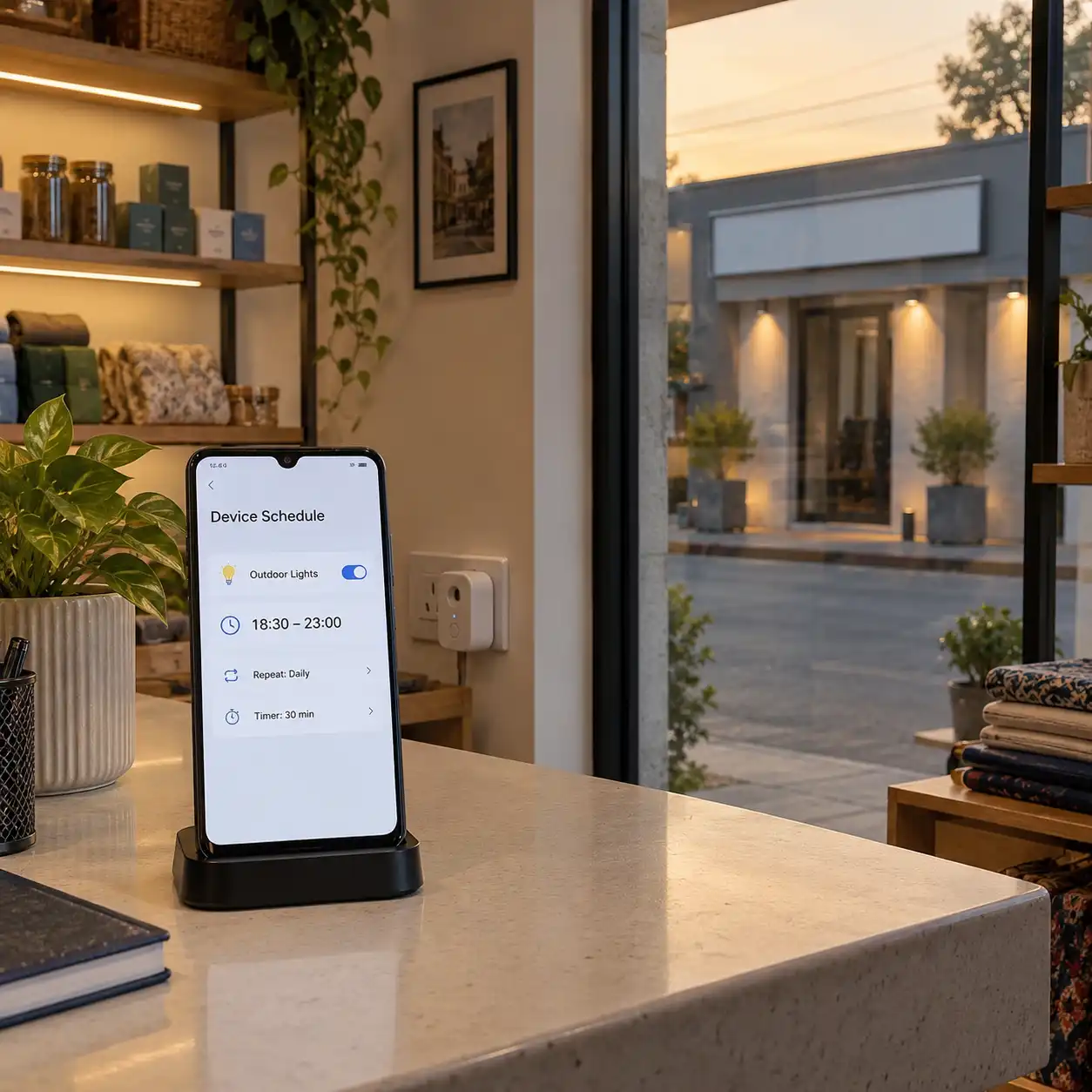
08Timers & Scheduled Device Operation
Set compatible equipment to run at specific times or for a defined duration. Configure recurring schedules for signage, outdoor lights, fans, or pumps, with operating limits suited to each device.
Useful for: Homes, offices, shops, and managed buildings.
Need Automation for Your Space?
Tell us which devices you want to control and how they should operate. We’ll assess the controllers, sensors, switching hardware, and software needed for your setup.
How It Connects
From Device Readings to Useful Actions
The architecture brings together equipment, communication, data processing, and user access. Devices may connect directly or through a gateway, depending on the installation.
Provide the readings, status signals, and supported control functions.
Carry data between equipment and the platform using suitable network connections and gateways where needed.
Receive and store data, manage device identities, and handle permitted requests.
Check incoming readings, identify missing updates, and trigger configured events.
Show readings and alerts, and give authorized users access to supported actions.
Business Outcomes
Make Operational Information Easier to Use
Visibility Across Devices
Bring readings and status information together, with timestamps that show how current the information is.
Earlier Awareness of Changes
Use configured alerts to draw attention to threshold breaches, missing readings, and connection issues.
Fewer Routine Manual Checks
Use remote readings and supported controls to reduce selected site visits and repeated checking tasks.
Records for Better Planning
Review operating history and events to support maintenance discussions, usage analysis, and future changes.
Our Approach
Test the Connection Where It Will Be Used
Understand the Installation
Review your equipment, required readings, control needs, and site conditions. Identify the available power, connectivity, and equipment interfaces.
Plan the System
Define the device-to-platform data flow, user access, alerts, and operating rules. Establish what should happen when a connection or component is unavailable.
Build a Focused Prototype
Connect a limited set of devices and develop the agreed dashboard or application features. Check the complete path from a device reading to a user action.
Test in Real Conditions
Evaluate readings, reconnect behavior, alerts, and command responses in the intended environment. Review the results with the people who will operate the system.
Deploy and Support
Roll out the agreed setup, document its operation, and define support responsibilities. Review platform and device-health information as part of the maintenance scope.
Implementation & Support
Keep Devices and Applications Working Together
Device connections, operating conditions, and business requirements can change after deployment. We define support for platform monitoring, device communication issues, integration updates, and application maintenance. Hardware servicing and on-site work are scoped separately where required.
Frequently Asked Questions
What to Know Before Connecting Your Equipment
01Do you manufacture or provide IoT products?
Our core service is coding and software development for IoT products. Manufacturing is not available right now. If you need IoT products, we can also provide them based on your requirements. Share the intended use, specifications, and quantity so we can discuss suitable products and the software needed for your setup.
02Do you provide microcontroller programming and project code?
Yes. We develop firmware and custom project code for compatible microcontroller-based systems. The scope can include sensor readings, RFID modules, device controls, communication, and backend integration. Share your board, module details, and intended functions so we can assess the project.
03Can you improve an existing IoT project?
We can review the available source code, hardware details, and reported issues to scope debugging, new features, or application integration. Source-code handover, documentation, and any third-party dependencies are defined in the project scope.
04Can you connect our existing equipment?
We first review the equipment model, available interfaces, protocols, and installation conditions. Some devices can connect through existing interfaces; others may need additional sensors, a gateway, or a suitable controller. We establish compatibility before defining the solution.
05Can the same type of IoT controller be used with different devices?
A configurable controller can be adapted to different compatible applications. The selected equipment, electrical ratings, switching hardware, and operating requirements determine the installation. Share the device specifications so these can be assessed.
06Can we monitor and control equipment from a mobile app?
We can develop a mobile application for device status, readings, alerts, and supported controls. The functions available depend on the connected hardware, communication path, and permissions defined for each user.
07Which connectivity options can the solution use?
We assess Ethernet, Wi-Fi, cellular, or other suitable options against site coverage, power availability, data requirements, and device support. Some installations may need a gateway to connect local equipment to the platform.
08What happens if the internet connection is lost?
We define this behavior during planning. Depending on the hardware and architecture, local rules or data buffering may be possible. Remote visibility and commands can be unavailable during an outage, so the application should show the last update and the device’s connection state.
09Will readings update in real time?
The update frequency is agreed around the use case. It depends on the sensors, reporting interval, network, and platform. We specify the expected refresh behavior rather than treating every reading as instantaneous.
010How is access to devices managed?
The solution can include device authentication, protected communication, and user permissions suited to the deployment. We define who can view information, change settings, and send commands, along with the records needed to review those actions.
011Can we start with a small prototype?
Yes. A prototype can focus on a few devices, selected readings, and one monitoring or control workflow. It helps assess the connection, application experience, and behavior in the intended environment before expanding.
012Can IoT data connect to our existing business software?
We assess available APIs and data interfaces to connect readings and events to your applications. Examples include creating a maintenance task from an alert or adding device information to an operational report.
013What determines the project cost and timeline?
The main factors include hardware availability, device types and quantities, connectivity, application features, integrations, and installation testing. We separate the agreed development work from applicable hardware, hosting, connectivity, and support costs in the proposal.
Let’s Discuss Your Installation
What Would You Like to Monitor or Control?
Share your equipment details, installation environment, and the information or controls your team needs. We’ll help define a practical starting point for your IoT solution.
Discuss Your IoT Requirements